







Get Entity Logical Name from its Object Type Code in Dynamics 365
Views (1923)
 Arpit Shrivastava
 7,518
User Group Leader
7,518
User Group Leader
 Like
Like Share
Share
 Report
Being a CRM developer, while writing the code, you might need to get the Entity Logical Name from its Object Type Code,
So here is the code to do the same:
So here is the code to do the same:
public static string geEntityLogicalName(int ObjectTypeCode)
{
            string entityLogicalName = String.Empty;

            MetadataFilterExpression EntityFilter = new MetadataFilterExpression(LogicalOperator.And);

            EntityFilter.Conditions.Add(new MetadataConditionExpression("ObjectTypeCode", MetadataConditionOperator.Equals, ObjectTypeCode));

            MetadataPropertiesExpression mpe = new MetadataPropertiesExpression();

            mpe.AllProperties = false;

            mpe.PropertyNames.Add("ObjectTypeCode");

            EntityQueryExpression entityQueryExpression = new EntityQueryExpression()
            {

                Criteria = EntityFilter,

                Properties = mpe

            };


            RetrieveMetadataChangesResponse initialRequest = GetMetadataChanges(entityQueryExpression, null, DeletedMetadataFilters.OptionSet);

            if (initialRequest.EntityMetadata.Count == 1)
            {

                entityLogicalName = initialRequest.EntityMetadata[0].LogicalName;

            }

            return entityLogicalName;

        }


        protected static RetrieveMetadataChangesResponse GetMetadataChanges(EntityQueryExpression entityQueryExpression, String clientVersionStamp, DeletedMetadataFilters deletedMetadataFilter)
        {

            RetrieveMetadataChangesRequest retrieveMetadataChangesRequest = new RetrieveMetadataChangesRequest();
            {

                Query = entityQueryExpression,

                ClientVersionStamp = clientVersionStamp,

                DeletedMetadataFilters = deletedMetadataFilter

            };


            return (RetrieveMetadataChangesResponse)service.Execute(retrieveMetadataChangesRequest);

  }
Dynamics 365 Entity Object Type Code List:
Complete Code:
using Microsoft.Xrm.Sdk;
using System;
using System.Collections.Generic;
using System.Linq;
using System.Text;
using System.Threading.Tasks;
using Microsoft.Crm.Sdk.Messages;
using System.ServiceModel.Description;
using System.Net;
using Microsoft.Xrm.Sdk.Client;
using Microsoft.Xrm.Sdk.Query;
using Microsoft.Xrm.Sdk.Metadata.Query;
using Microsoft.Xrm.Sdk.Messages;
using Microsoft.Xrm.Sdk.Metadata;
namespace CRMCodeHelper
{
class Program
{
private static IOrganizationService service = null;

static void Main(string[] args)
{
            service = ConnectToCRM();

            string entityLogicalName = geEntityLogicalName(112);
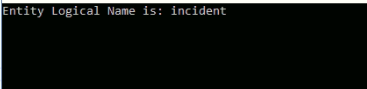
            Console.WriteLine("Entity Logical Name is: " + entityLogicalName);

            Console.ReadLine();
}


public static string geEntityLogicalName(int ObjectTypeCode)

{

string entityLogicalName = String.Empty;

MetadataFilterExpression EntityFilter = new MetadataFilterExpression(LogicalOperator.And);

EntityFilter.Conditions.Add(new MetadataConditionExpression("ObjectTypeCode", MetadataConditionOperator.Equals, ObjectTypeCode));

MetadataPropertiesExpression mpe = new MetadataPropertiesExpression();

mpe.AllProperties = false;

mpe.PropertyNames.Add("ObjectTypeCode");

EntityQueryExpression entityQueryExpression = new EntityQueryExpression()

{

Criteria = EntityFilter,

Properties = mpe

};

RetrieveMetadataChangesResponse initialRequest = GetMetadataChanges(entityQueryExpression, null, DeletedMetadataFilters.OptionSet);

if (initialRequest.EntityMetadata.Count == 1)

{

entityLogicalName = initialRequest.EntityMetadata[0].LogicalName;

}

return entityLogicalName;

}


protected static RetrieveMetadataChangesResponse GetMetadataChanges(EntityQueryExpression entityQueryExpression, String clientVersionStamp, DeletedMetadataFilters deletedMetadataFilter)

{

RetrieveMetadataChangesRequest retrieveMetadataChangesRequest = new RetrieveMetadataChangesRequest()

{

Query = entityQueryExpression,

ClientVersionStamp = clientVersionStamp,

DeletedMetadataFilters = deletedMetadataFilter

};

return (RetrieveMetadataChangesResponse)service.Execute(retrieveMetadataChangesRequest);

}


public static IOrganizationService ConnectToCRM()

{

IOrganizationService organizationService = null;
            try
            {

                ClientCredentials clientCredentials = new ClientCredentials();

                clientCredentials.UserName.UserName = "<Username>";

                clientCredentials.UserName.Password = "<Password>";

                ServicePointManager.SecurityProtocol = SecurityProtocolType.Tls12;

                organizationService = new OrganizationServiceProxy(new Uri("https://<organisation name>.crm4.dynamics.com/XRMServices/2011/Organization.svc"),

                    null, clientCredentials, null);

                return organizationService;

            }

            catch (Exception ex)
            {

                Console.WriteLine("Exception caught - " + ex.Message);
                return organizationService;

            }

        }

    }

}
Output:
This was originally posted here.
*This post is locked for comments