




 2,664
2,664 Like
Like Share
Share
 Report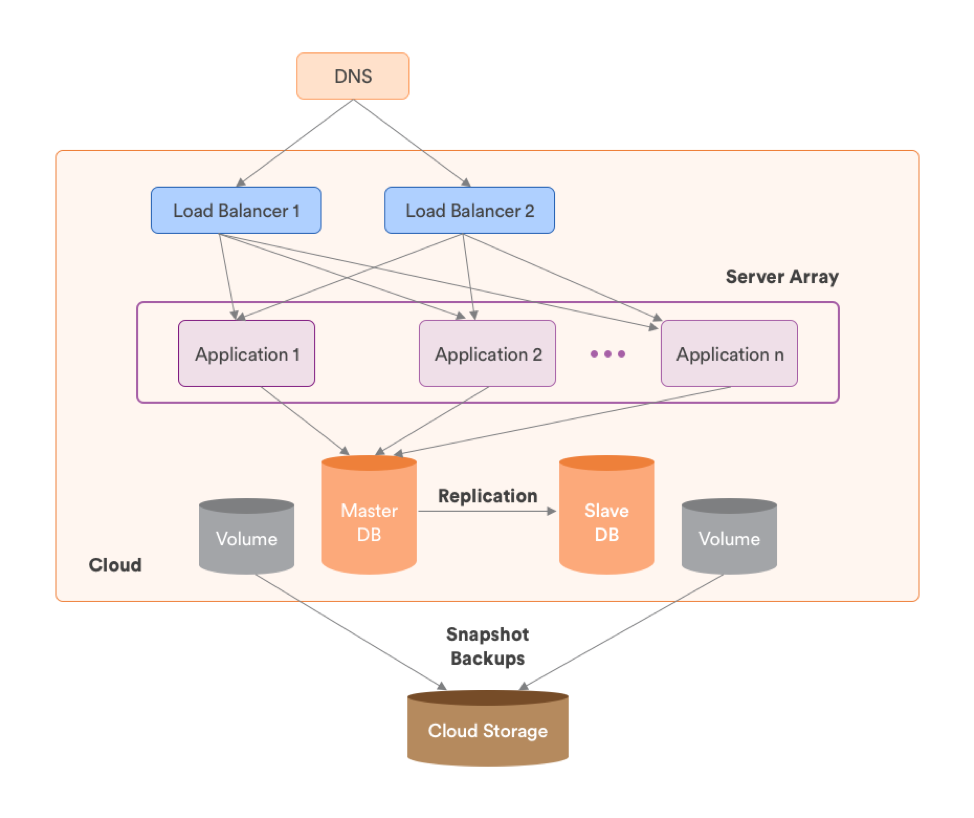
The basic cloud architecture which is quite common around the web is 3-Tier architecture.
The architecture consists of 3 major tiers – Load balancer server, Application Server, Database Server. There is one dedicated server for each tier.
As in the above cloud architecture diagram, for failover and recovery purpose we have used redundant server at each tier. This is called Redundant 3-Tier architecture, used in production environment. Non-redundant architecture which consist of single server for each tier are only for testing the interactivity between each tier of your application.
This is the most basic one, you can use additional server depending on the application. For example, to add faster backup functionality in my app, I have used Striped Volume set at the database tier.
Now let’s take an example of Netflix.
How Netflix manages such a huge collection of videos and provides a great streaming experience without disruptions?
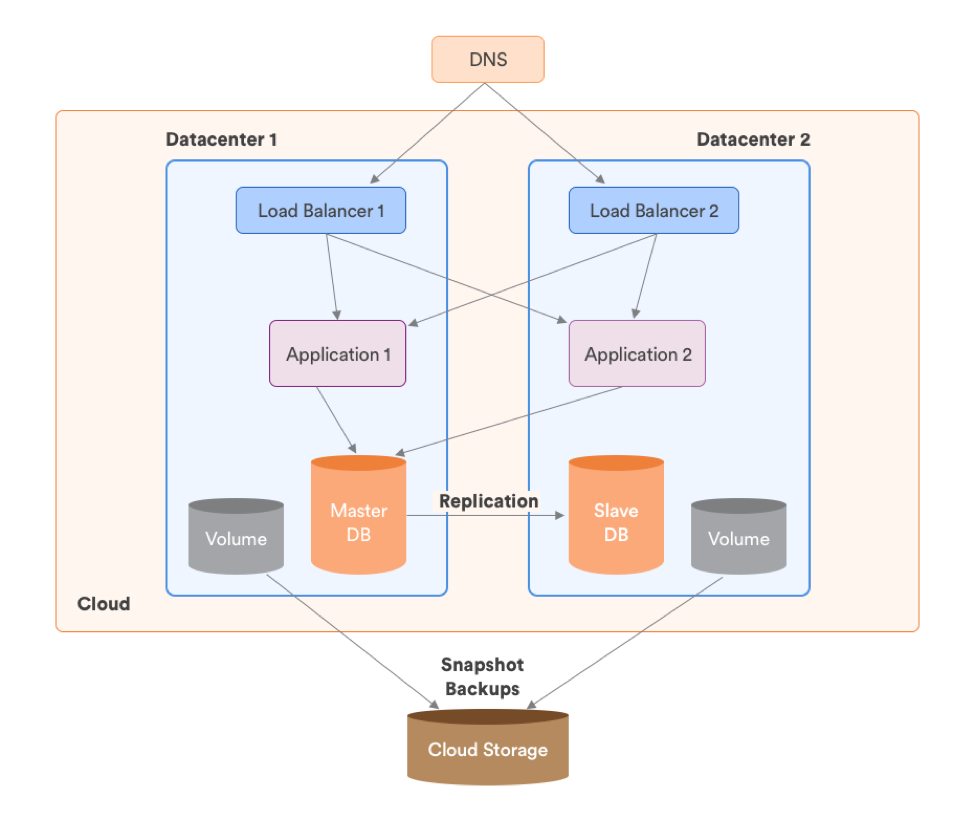
This is because of its multi-data centers located geographically around the world which backups each other in case of any disaster. Also streaming from local datacenter giver faster viewing experience.
In the above architecture we can have multi-datacenter, each having its own load balancer tier, Application tier and Database tier.
How it can be done? Look at the below image.
The most fascinating experience of cloud is its horizontal Auto Scaling feature. This gives you the ability to grow or shrink number of server resources on demand, and this work is done by load balancer. We have added Server Arrays to set up a particular tier of architecture to autoscale based on predefined alert conditions.
*This post is locked for comments